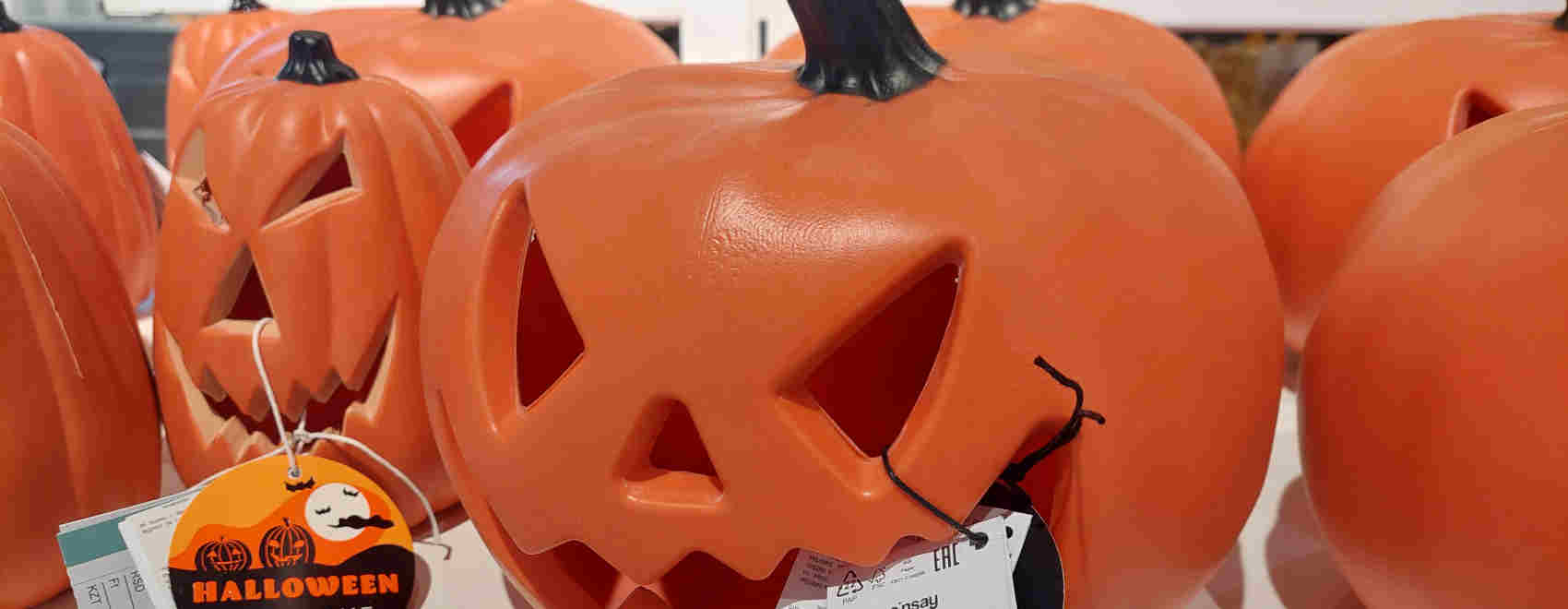
Halloween is not a traditional holiday in Serbia. While pumpkins, costumes, and parties have appeared in urban areas like Belgrade due to globalization and commercialization, many Serbians view the holiday critically, as a Western-influenced trend that does not belong in Serbian culture.
How Serbs Celebrate Halloween (and How They Don’t)
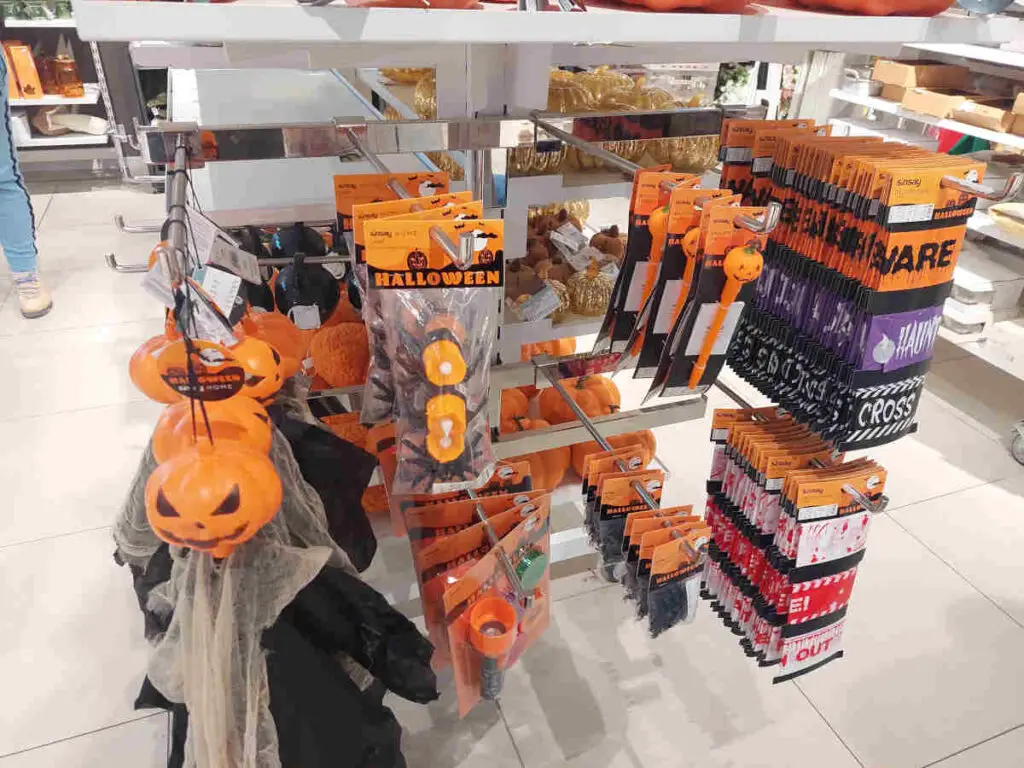
Halloween in Serbia is mostly celebrated by young people at costume parties or by families who enjoy dressing up with their children. Supermarkets and shopping malls sell seasonal products, and some international schools host kid-friendly events. Decorating homes for Halloween, however, is rare, unlike at Christmas or Easter.
Serbs are selective about adopting Western trends, prioritizing traditional holidays over imported celebrations. Trick-or-treating on October 31 is virtually unknown, though similar customs exist on Christmas Eve as part of Serbia’s long-standing cultural traditions. Halloween has entered urban life, but it remains a playful novelty rather than a national holiday.
Experiencing Halloween in Belgrade
Visitors can experience Halloween in Belgrade through:
- Costume parties in bars and clubs
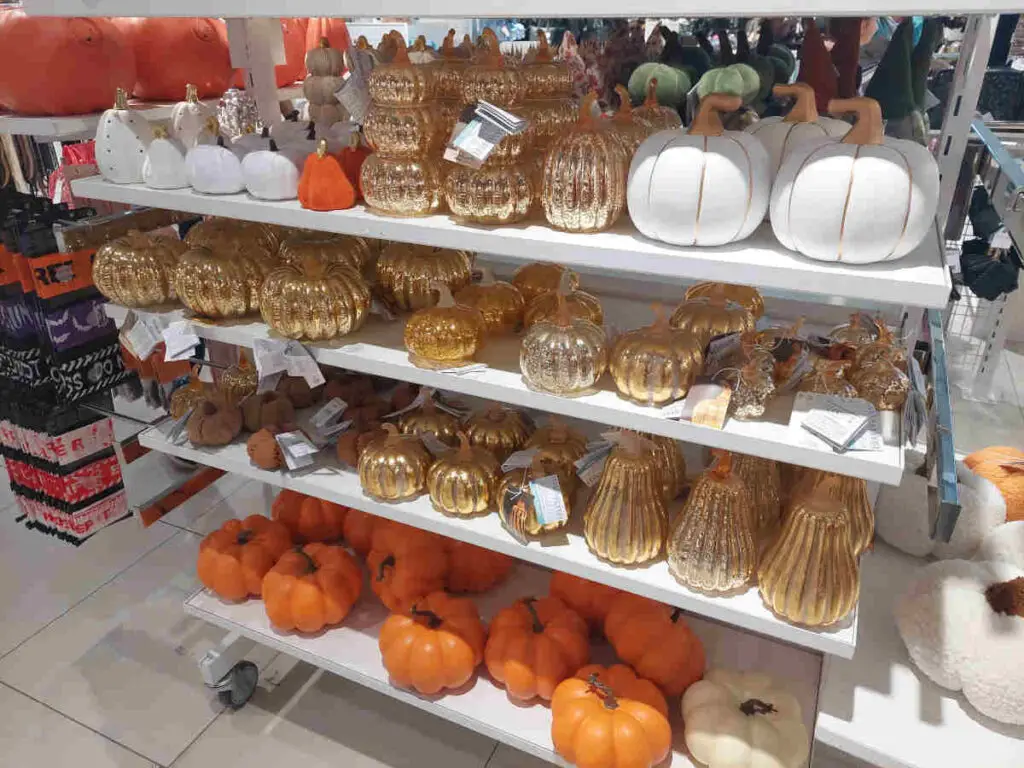
- Seasonal decorations and workshops in shopping malls
For example, Galerija shopping mall in Belgrade promotes Halloween with costume parties, magic shows, creative workshops for children, and even a “zombie walk.”
Ada Mall also embraces the holiday with a packed program. Highlights include a haunted house maze with live actors, special shopping discounts, Halloween-themed decorations, and both adult and children’s masquerade balls with prizes for the best costumes. CineStar cinema inside the mall adds to the atmosphere with a horror film lineup, while interactive photo corners and roaming “zombies” create a festive, spooky vibe for visitors.
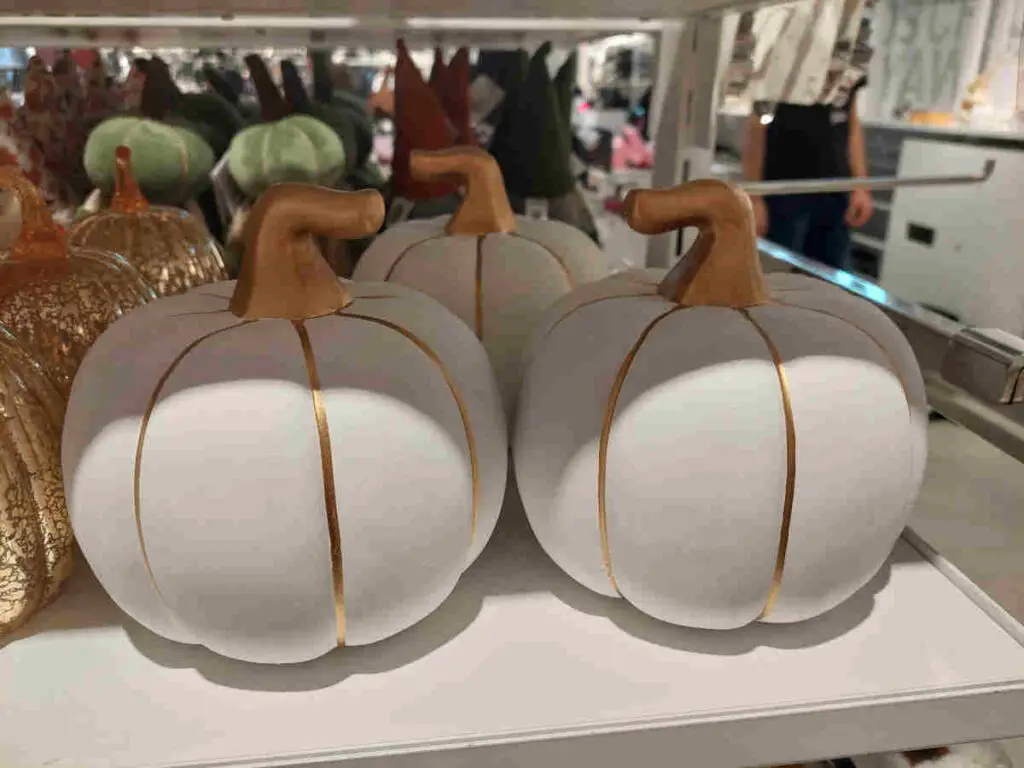
Together, these events show that Halloween in Serbia is mainly a commercial, urban phenomenon, centered in Belgrade’s shopping malls, rather than a widely observed cultural tradition.
Conclusion: A Novelty, Not a Tradition
Halloween in Belgrade is visible but limited. While some young people and families join in, homes are rarely decorated, and centuries-old traditions continue to shape everyday life. Serbia’s selective adoption of trends shows a balance between global influences and preserving local culture.

Leave a Reply