
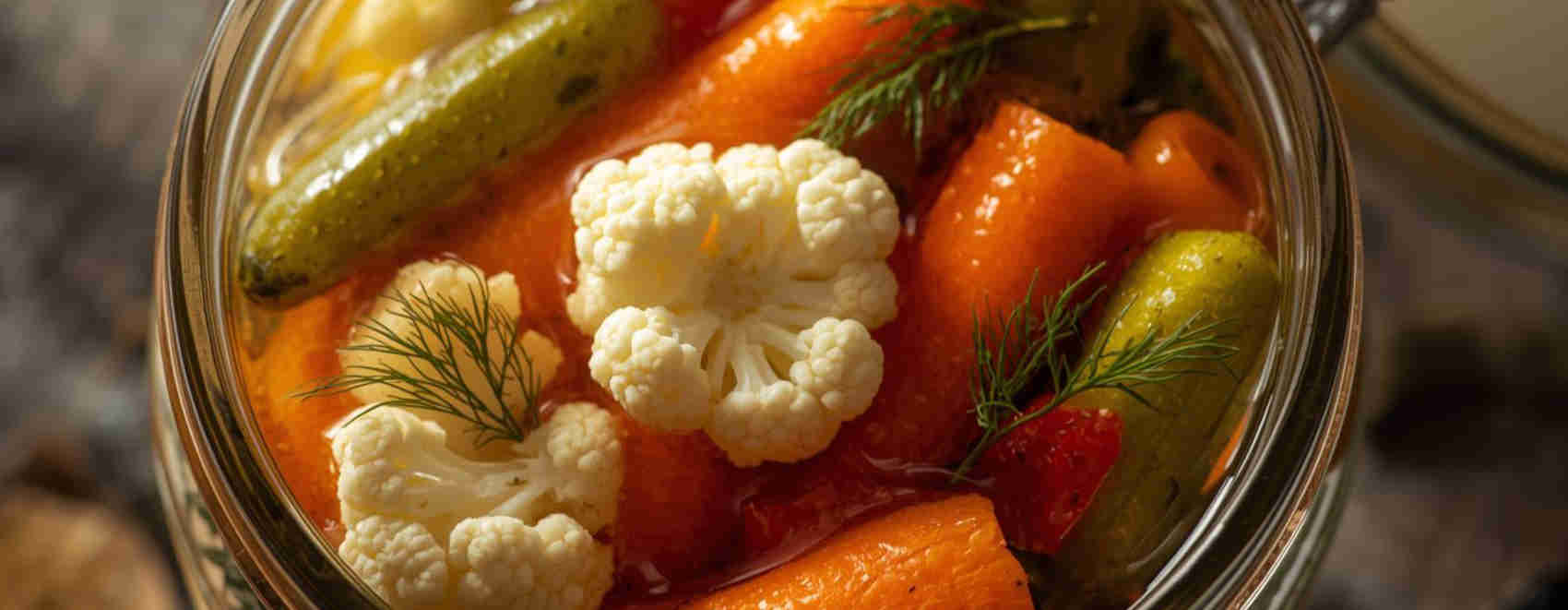
If you visit Belgrade in autumn or winter, don’t skip trying turšija as a side dish or salad accompanying your breakfast, lunch or dinner. This traditional Serbian pickle mix carries generations of flavor, history, and a sense of home that is hard to describe until you’ve tasted it.
Table of Contents
What Exactly Is Turšija?
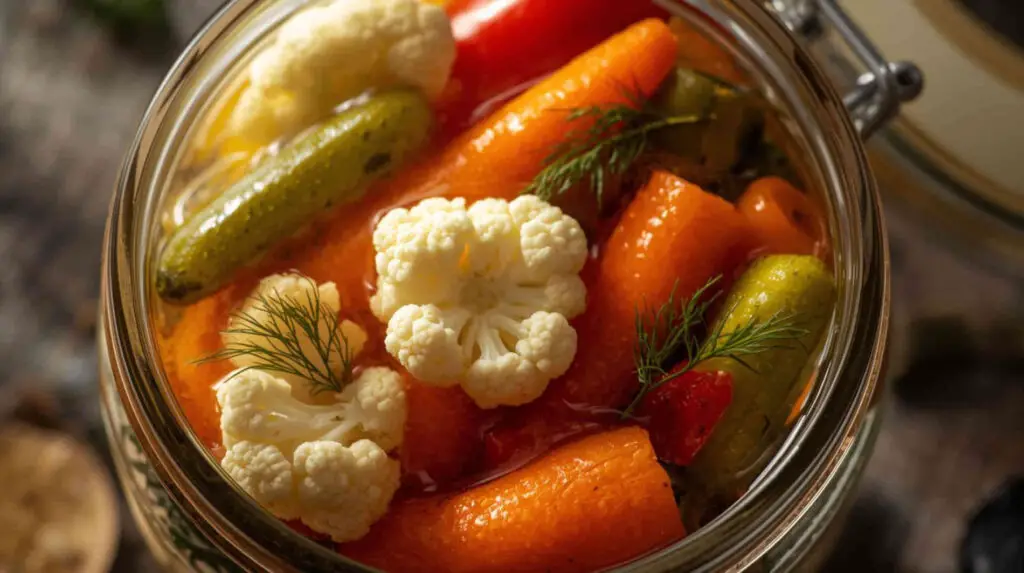
Turšija (pronounced toor-shee-ya) is a mix of pickled vegetables, a staple in Serbian households once the temperatures drop. It is a centuries-old way to preserve vegetables for the winter, originating from the time before refrigerators existed.
Classic ingredients include cauliflower, carrots, green tomatoes, peppers, cabbage, onion, and pickles, all soaked in a salty, vinegary brine. The result is a tangy, crunchy side dish that perfectly complements hearty winter meals. A piece of crusty bread with kajmak, čvarci and a few slices of turšija is a taste of pure Serbian comfort.

How and When It’s Made
Turšija-making season begins in late September or October, when vegetables are still fresh and markets are full. It is common to see families carrying crates of vegetables from green markets to prepare large glass jars for pickling.
In short, the process involves:
- Layering raw vegetables in large jars or barrels
- Pouring over a hot brine made of water, vinegar, salt, and spices
- Storing the jars in a cool place like a cellar or balcony
- Waiting patiently for several weeks until the flavors develop
For many, making turšija is a cherished family ritual, a moment when generations gather to prepare food for winter and keep tradition alive.
Modern-Day Turšija in Belgrade
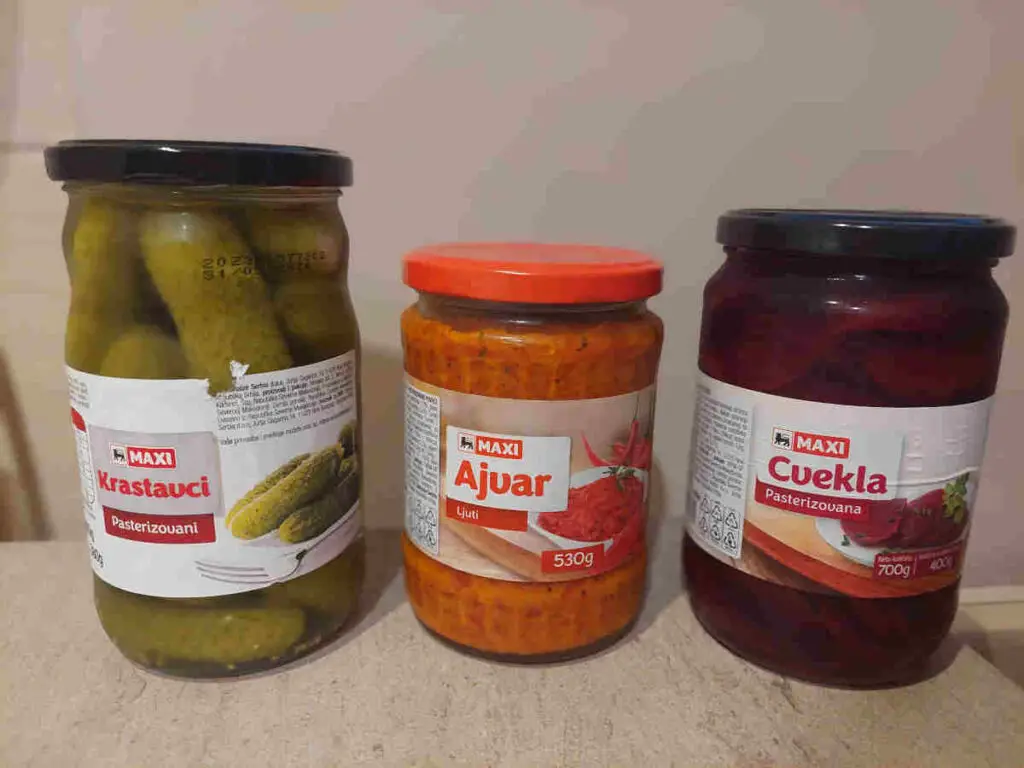
Nowadays, especially in cities like Belgrade, young women rarely prepare turšija at home. To be honest, I’ve never made it myself, and the last time my mother did was probably sometime in the 1990s. The rhythm of urban life and the reality of small apartments leave little time or space for such lengthy preparations. Luckily, you can conveniently buy turšija and other traditional winter preserves at supermarkets and green markets across the city.
Turšija-making is also part of a larger autumn ritual of preserving the harvest, which includes making jam, tomato sauce, and ajvar, all stored for the cold months ahead. This tradition still lives on in rural Serbia, where families prepare everything themselves, filling their cellars with colorful jars that will last the entire winter.

Taste Serbia through Food
If you’re exploring Belgrade in winter, don’t miss the chance to try this meaningful dish. You might find turšija on your hotel’s menu, in a traditional Serbian restaurant or buy a jar from a local green market. Supermarkets also sell it, yet the market version often feels more authentic. However you try it, you’ll be tasting a piece of Serbia’s heart, heritage, and enduring tradition.

Leave a Reply